The focus group we couldn’t afford
A three-person film crew used Honestli to gather candid, anonymous feedback on their first feature. The notes exposed pacing, story, and audio issues they’d missed, helping them tighten the edit. After revisions and a second round of feedback, the film premiered to sold-out festival screenings.
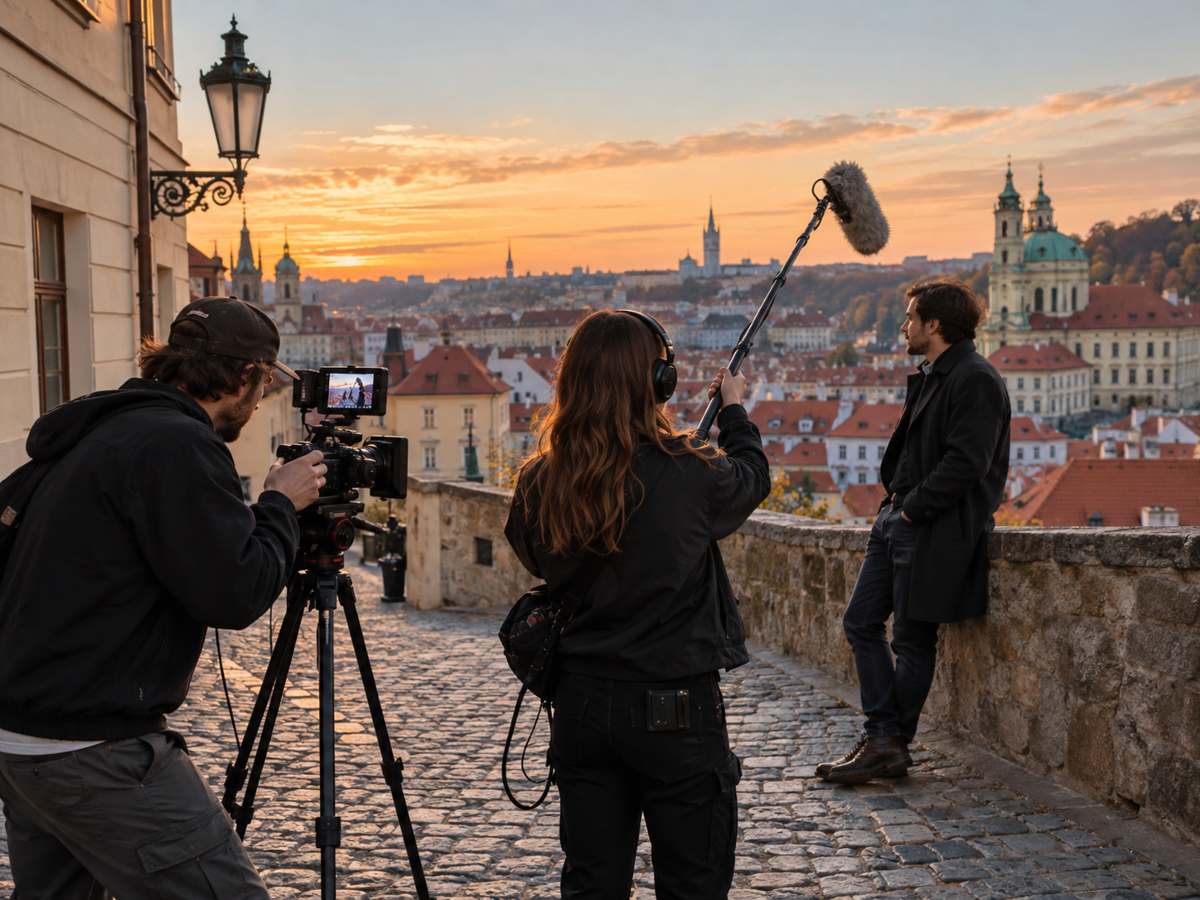
We’re a three-person production company. Our first feature, a small family drama, was shot in eighteen days on money we mostly borrowed from ourselves. By the time we had a rough cut, there was nothing left in the budget for the thing every producer tells you to do next: a proper test screening with a focus group.
So we showed it to friends. Everyone said it was great. My cousin cried. Our editor’s partner said it was “really brave.” And I knew, the way you know when people are being kind instead of honest, that we hadn’t learned a thing.
Our editor suggested we try Honestli. We set up a topic, sent a private screener link to about forty people — friends of friends, members of a local film society, a few strangers from a festival mailing list — and asked them to watch the cut and then tell us what they really thought. No names, no faces, nobody worrying about hurting the director’s feelings.
The responses were nothing like the ones we’d been getting over dinner. The first twenty minutes dragged; more than half the viewers said so, some almost word for word. A subplot about the brother’s debts confused people instead of adding tension. The mother, who we’d written as tough but loving, came across as cold. Several people couldn’t hear the dialogue in the bar scene. And the ending, which we thought was our strongest moment, split the room.
Reading it all in one sitting stung. But because nobody was performing politeness or trying to score points, the feedback was specific, and when ten strangers independently flag the same scene, you stop arguing with it.
We went back into the edit with that list taped to the wall. We cut nineteen minutes, most of it from the opening. We dropped the debt subplot entirely. We restored two small scenes of the mother that we’d cut for time, and suddenly she made sense. We re-recorded the bar scene dialogue. We kept the ending, but added a short beat before it so the audience had a moment to get there with us.
Then we ran a second round on Honestli with a fresh group. The difference was obvious: people talked about the characters instead of the pacing.
The film premiered at a regional festival this spring, and both screenings sold out. A real focus group would have cost us more than our entire post-production budget. What we got instead was something money doesn’t always buy: people willing to tell us the truth.